About Us
Organizational Overview
GoGo Foundation (Good Governance Foundation Nepal) is a national, non-governmental, non-profit, and non-political organization established to promote good governance through inclusive civic and youth engagement. The Foundation works to strengthen transparent, accountable, and responsive governance systems by advancing social accountability, democratic participation, and evidence-based policy advocacy in Nepal.
Guided by its commitment to ensuring effective and equitable public service delivery, GoGo Foundation operates at the intersection of governance reform, civic and democratic space promotion, youth leadership development, GEDSI mainstreaming, environmental justice, and consumer rights protection. The organization prioritizes informed civic participation, particularly of youth, women, marginalized communities, and underrepresented groups, to enhance inclusive decision-making processes and institutional accountability.
GoGo Foundation promotes civic and democratic spaces by fostering dialogue between citizens and public institutions, strengthening participatory governance mechanisms, and supporting policy review and advocacy processes that advance inclusion and social justice. Through capacity building of both institutional actors and community stakeholders, the Foundation contributes to strengthening collaborative governance structures that are transparent, equitable, and responsive to citizen needs.
In line with principles of Gender Equality, Disability, and Social Inclusion (GEDSI), the Foundation integrates social justice approaches across its programs and works to institutionalize inclusive governance practices at local, provincial, and national levels. Special emphasis is placed on developing youth leadership and ensuring meaningful youth participation in governance, accountability mechanisms, and public policy processes.
Through research, policy analysis, capacity development, and grassroots engagement, GoGo Foundation supports initiatives that enhance environmental justice, promote responsible consumer practices, and strengthen mechanisms for accountable and equitable service delivery. Its integrated approach combines evidence generation, advocacy, and community mobilization to advance transparent and inclusive governance systems in Nepal.
Vision, Mission, Goal, Objectives, and Values
Vision: Good Governance through Civic Engagement
Mission: Ensuring good governance and social accountability by promoting informed civic and youth participation, inclusion through policy review & advocacy, collaboration and capacity building
Goal: To promote good governance through inclusive civic and youth engagement by strengthening social accountability, advancing evidence-based policy advocacy, and building collaborative institutional and individual capacity for transparent, responsive, and inclusive and equitable governance systems.
Objectives
1. To ensure effective equitable public service delivery for good governance
2. To promote civic and democratic space
3. To develop youth leadership and ensure their participation
4. To strengthen GEDSI mainstreaming and social justice
5. To promote environmental justice and consumer rights
Core Values:
-Democracy
-Transparency
-Accountability
-Inclusion
-Integrity
– Respect for Human Rights
– Passion for Results
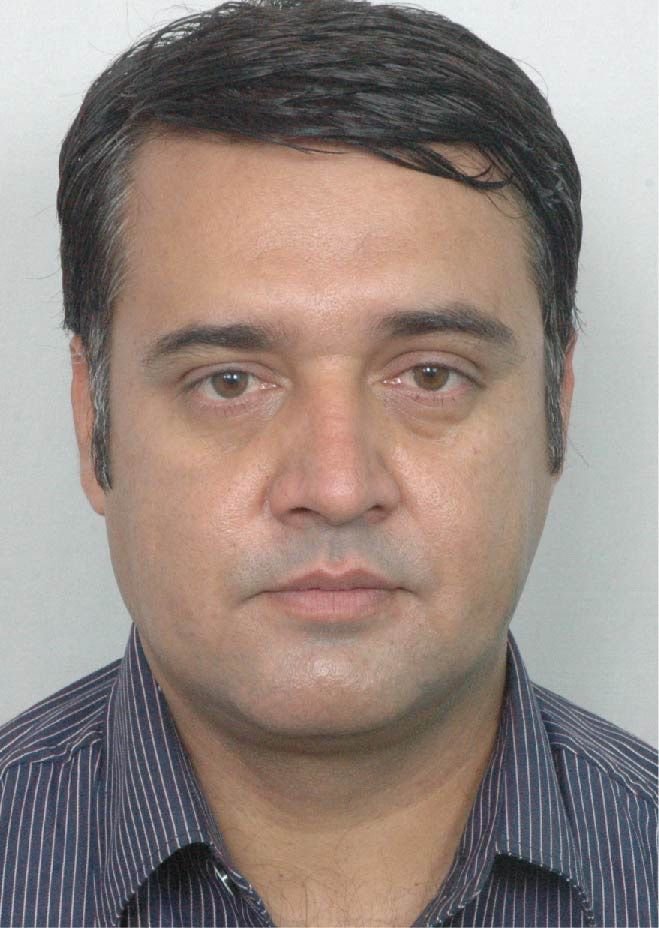
Pranav Bhattarai
President

Rekha Shrestha
Vice-President

Bishnu Pd. Pokhrel
General Secretary

Umanga Mainali
Secretary
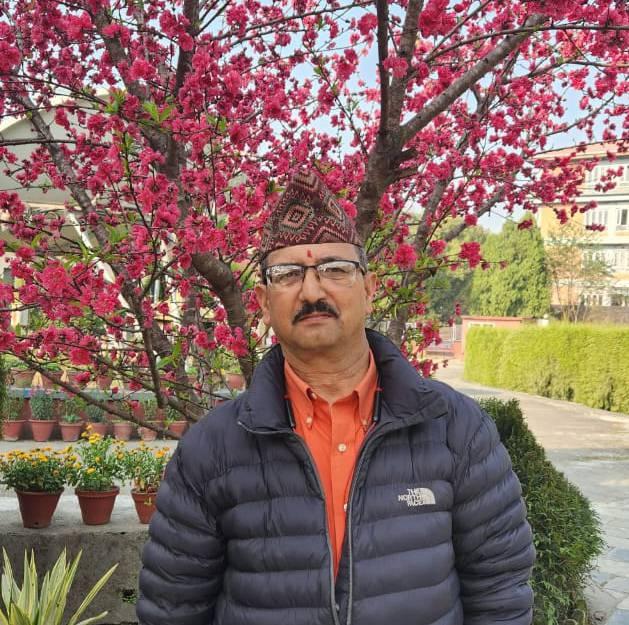
Surendra Paudel
Treasurer
Key Thematic Areas
- Good governance and federalism (Anti-corruption, social accountability, service delivery, participation, right to information, sub-national governance)
- Civic and democratic space (Citizen engagement, participation, civic audits)
- Youth and development (Youth engagement, participation, capacity building, policy engagement)
- Gender equality, disability and social inclusion-GEDSI (Social justice, empowerment, participation, decision making, income generating, GBV, disability inclusion, LGBTQI++ rights)
- Cross-cutting issues (Environment and climate justice, bio-diversity, education-health governance)

Dr. Kiran Chalise
Executive Member

Sharada K.C.
Executive Member

Poshta KC
Executive Member

Januka Mainali
Executive Member
GoGo Foundation operates under a statute that serves as its principal governing institutional policy. Aligned with this statute, the organization has established:
· GoGo Administrative Directives, 2074
· GoFo Financial Directives, 2074; and
· GoGo Code of Conduct for Employees, 2009
The organization oversees its administration, finances, and staff recruitment in accordance with these policies. Additionally, GoGo Foundation has implemented several other policies and guidelines, including:
· GoGo Good Governance Policy, 2012
· GoGo Anti-Corruption Policy, 2011
· GoGo Ten Year Strategic Plan, 2011
· GoGo Control of Sexual Harassment, Prevention, Punishment, and Complaint Management Policy, 2009
· GoGo Corporate Social Responsibility Fund Operating Guidelines, 2076
· GoGo Computer Operations Policy, 2016
· GoGo Staff Safety and Security Policy, 2016
· GoGo Procurement Guidelines, 2016
· GoGo Communication Guidelines, 2016
· GoGo Staff Performance Appraisal Report (Periodic)
· GoGo Staff Exit Questionnaire
These policies apply to Executive Committee Members, General Members, Staff, and Network Partners, aiming to institutionalize governance-friendly practices. They strictly prohibit executive committee members, general members, staff, and network partners from engaging in any unfair or corrupt practices.
The institution also upholds a ‘Workforce Diversity Policy,’ which embraces a positive discrimination approach to encourage the inclusion of applicants from women, Dalit, Janjati, Madhesi, and other marginalized groups in its projects and programs.
The organizational statute clearly delineates the roles and functions of the executive board and staff members. Executive committee members cannot be full-time employees of GoGo, nor can they hold dual positions within the organization.
Since its inception, GoGo has been vigilant in avoiding the distribution of memberships to family members (both immediate and extended) and close relatives. The organization has adopted a ‘One Family, One Membership’ approach to ensure that none of its members are relatives or close family members of any founding member or executive office holder. This proactive stance aims to combat family hegemony and nepotism, starting from membership distribution to staff recruitment.
Furthermore, the organization adheres to sound accounting procedures, conducts audits of its finances through independent auditors, and makes financial information readily available on its website and upon request. All transactions, including salary payments and other disbursements, are executed via cheques, with no practice of deducting any portion of staff salaries for any reason.
We currently do not have any available positions.
Upcoming Announcement !